We know, we said end of November 🫣
Q4 had other plans. Deadlines piled up, calendars exploded, and here we are – a little late, but finally ready to share. Thanks for your patience.
As promised, we are bringing you the results from our mini online survey.
Just as a reminder, back in October published an online survey to learn more about how people use different types of media and interact with brands.
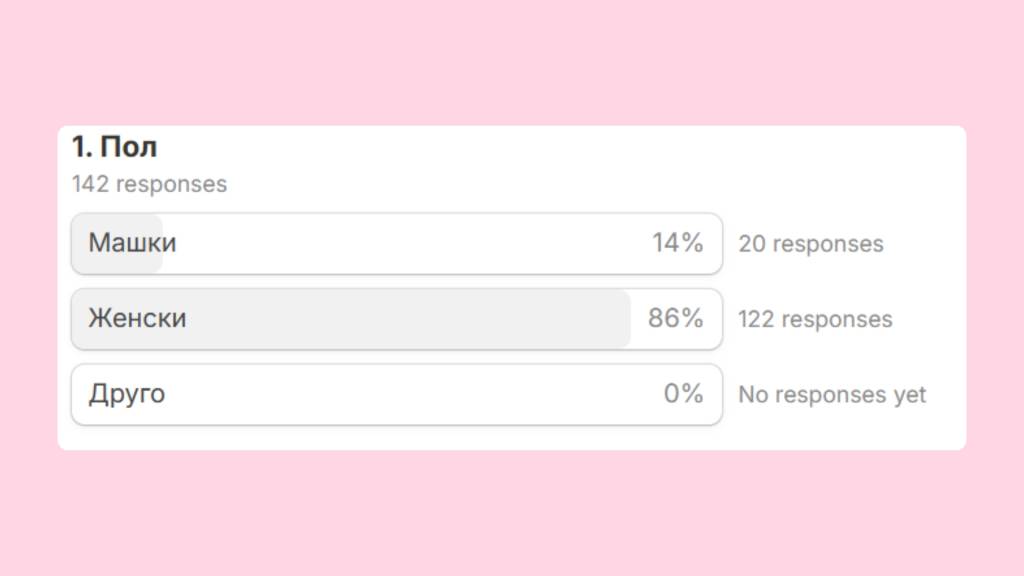
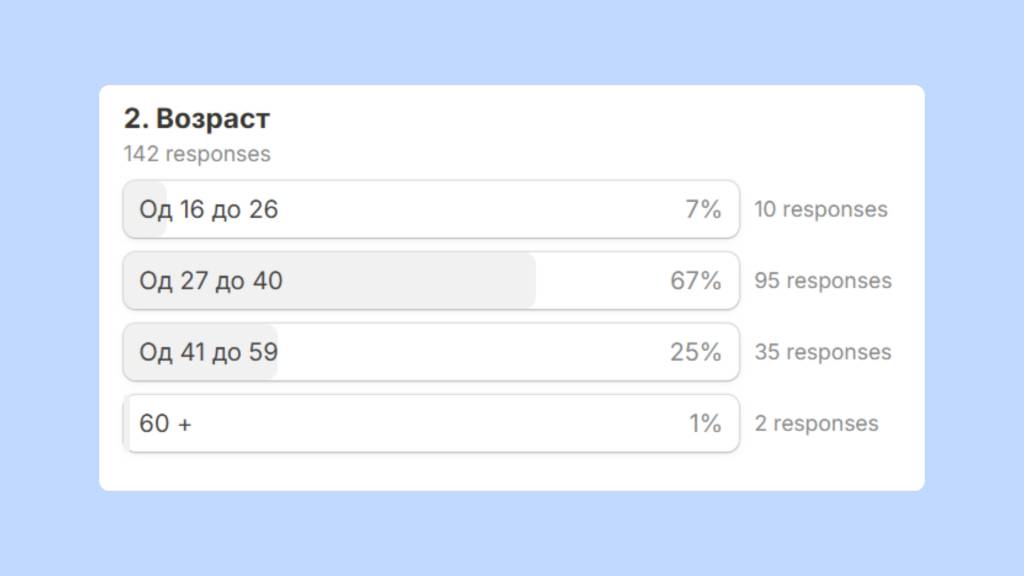
A total of 142 people answered the survey, most of them women, and most of them between the ages of 27 and 40.
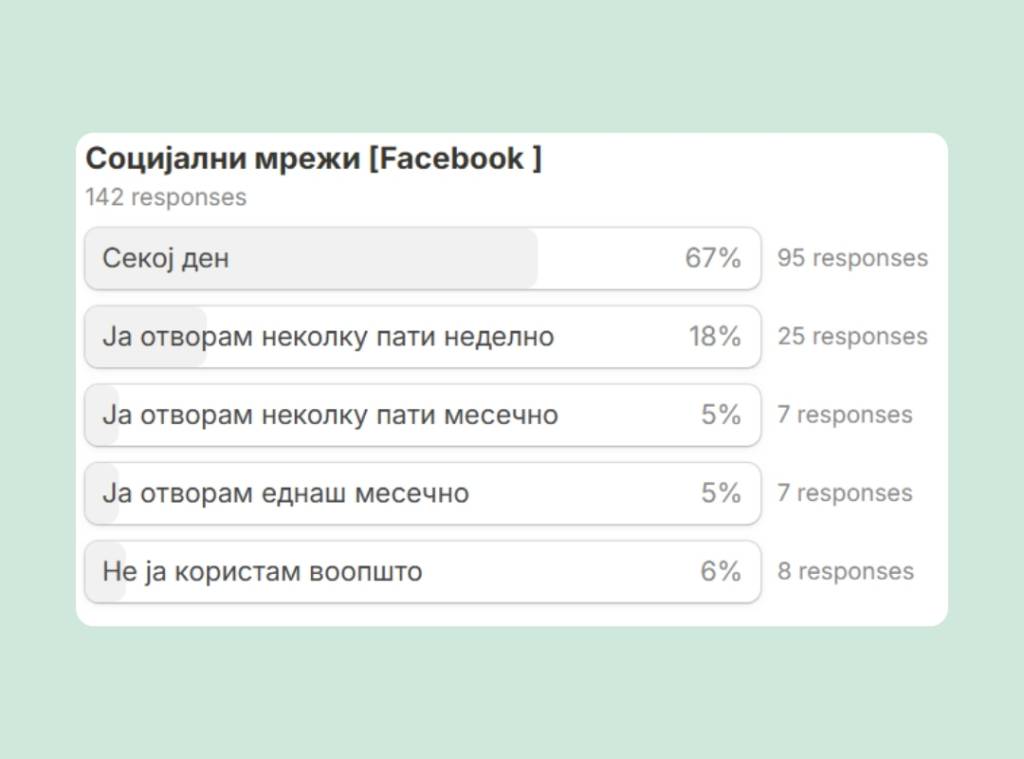
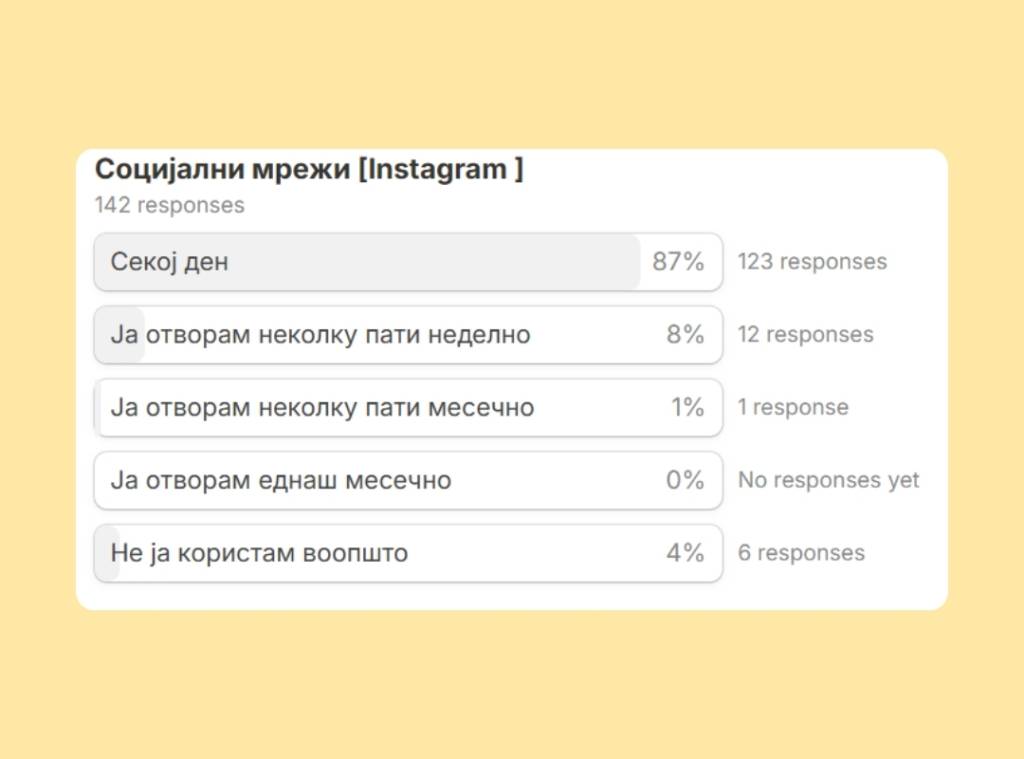
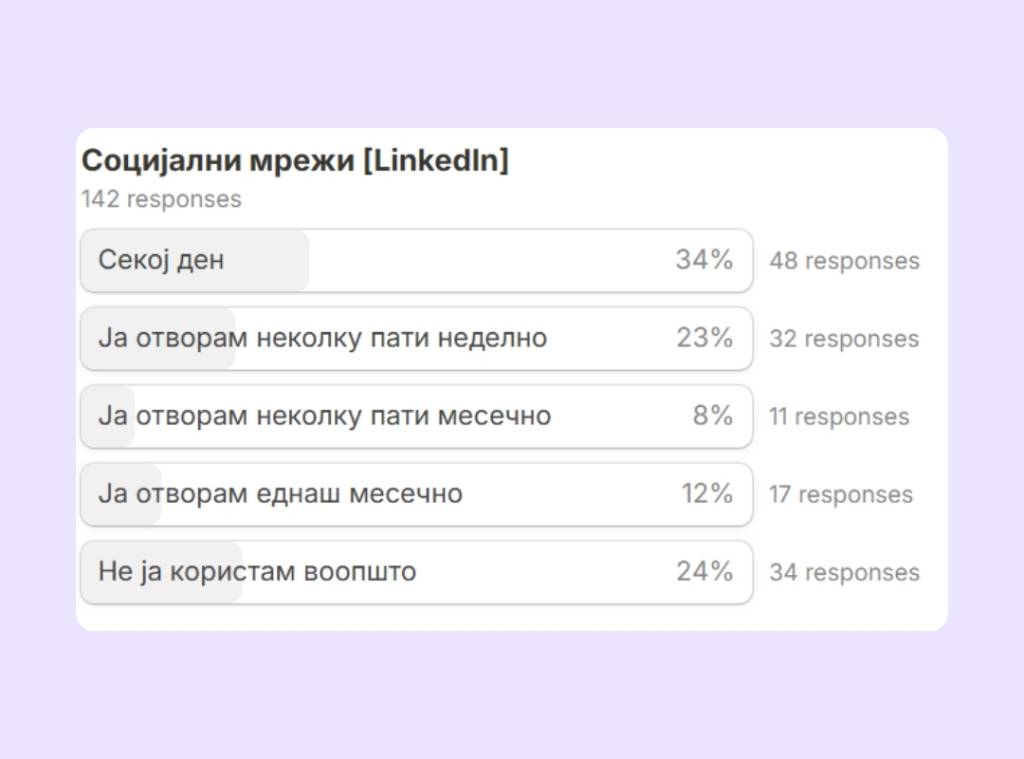
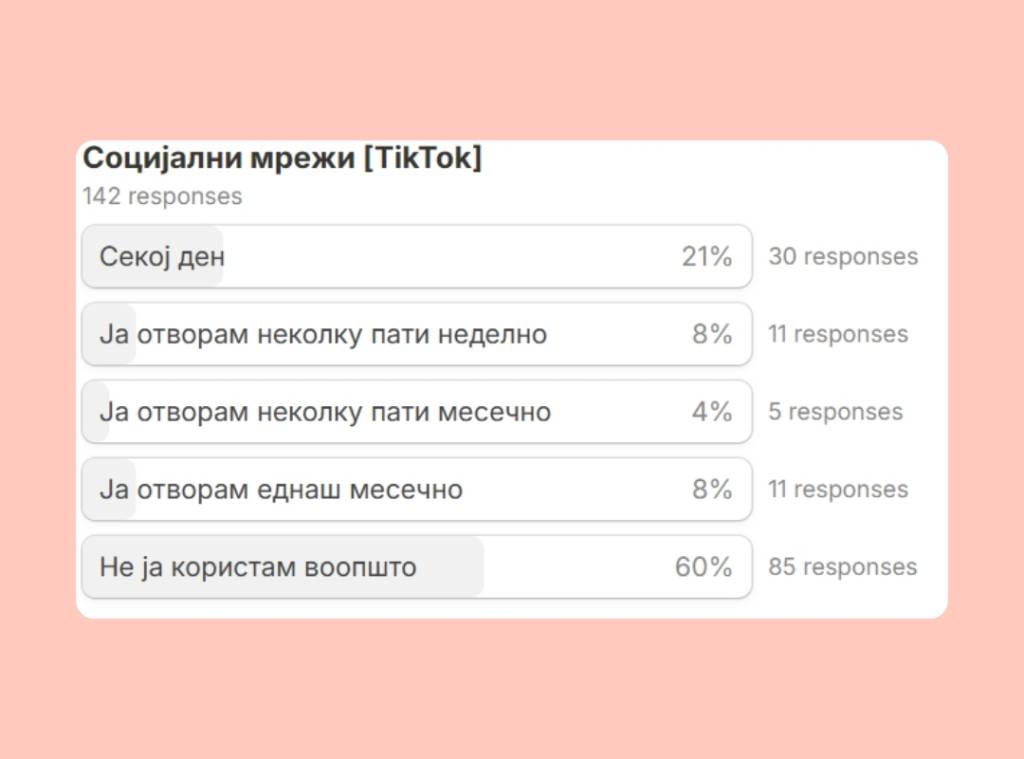
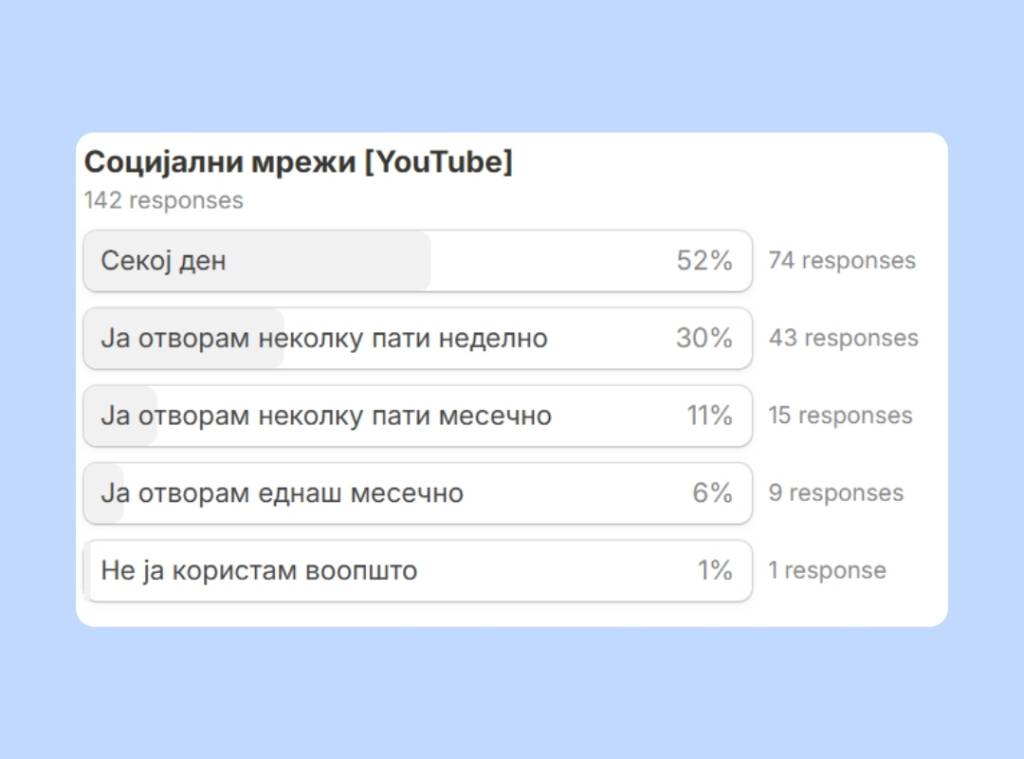
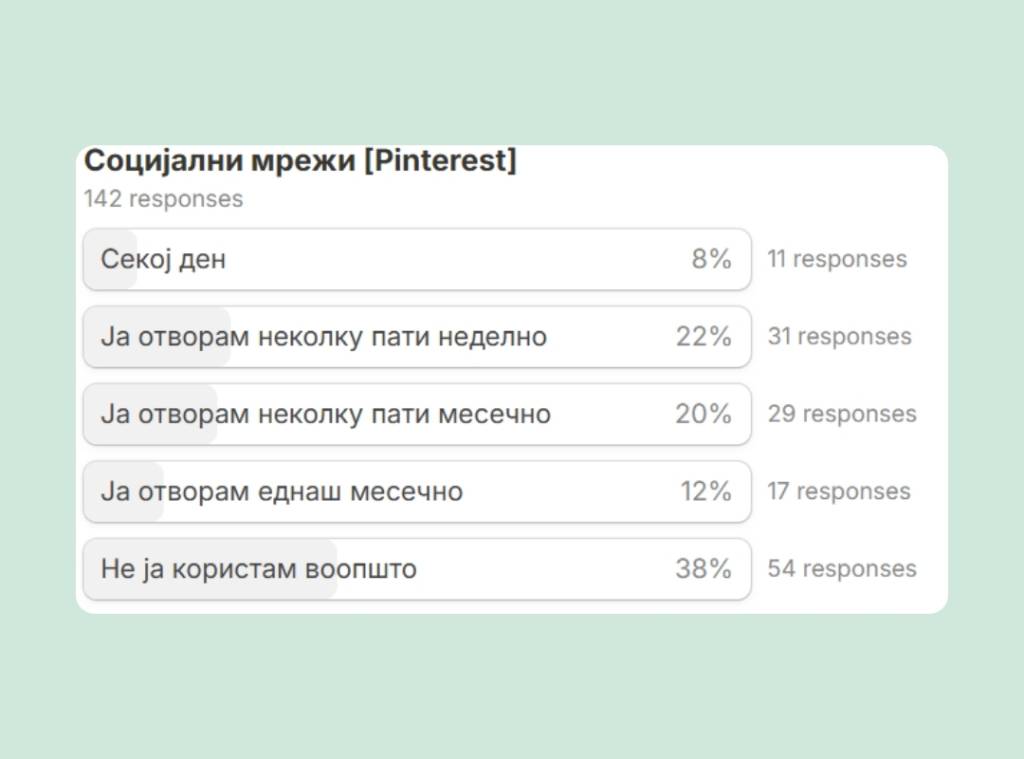
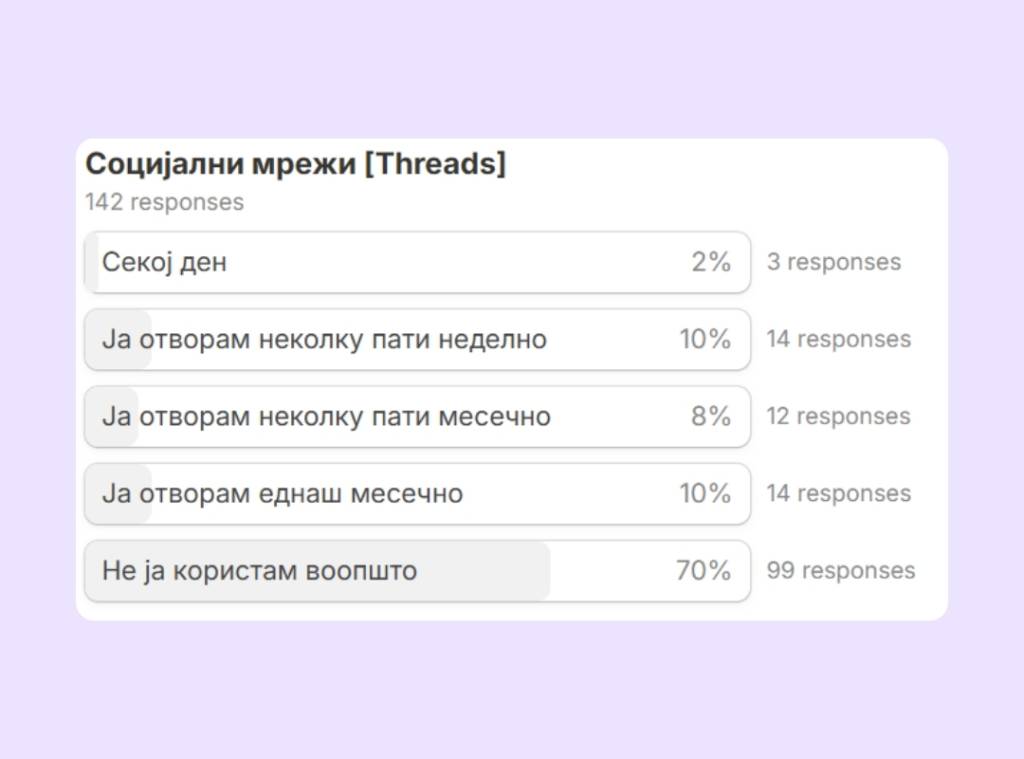
No big surprises on social media habits. Instagram clearly leads the pack, with 87% of respondents using it every day. Facebook follows closely behind, while YouTube takes third place among the apps people open daily.
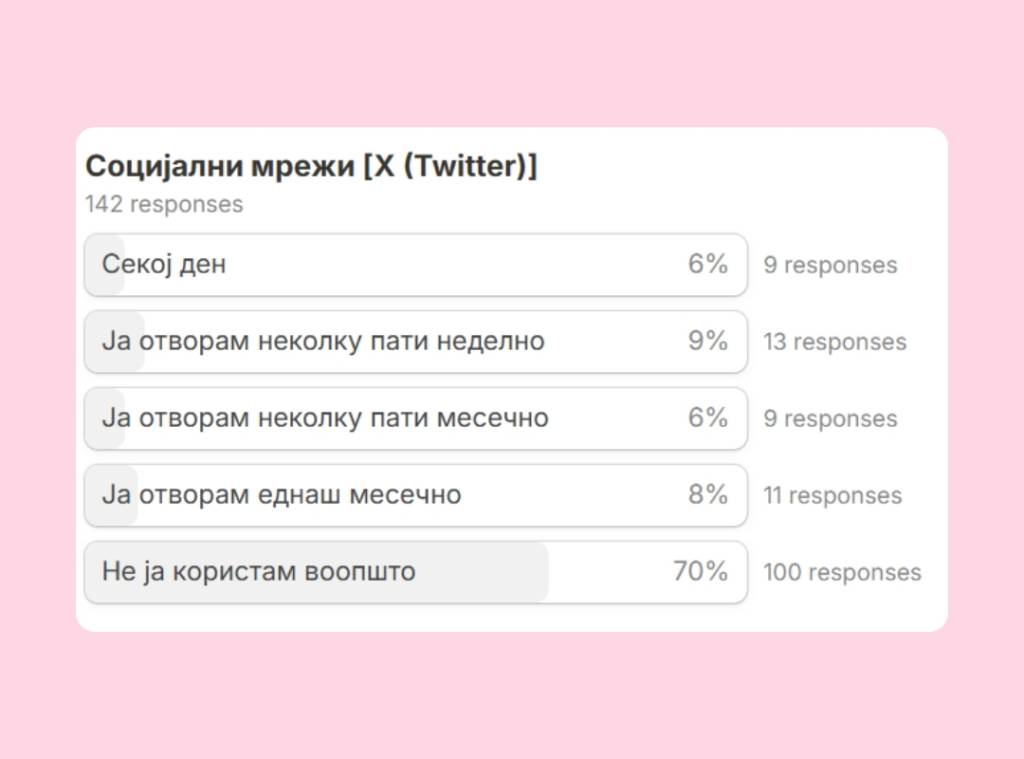
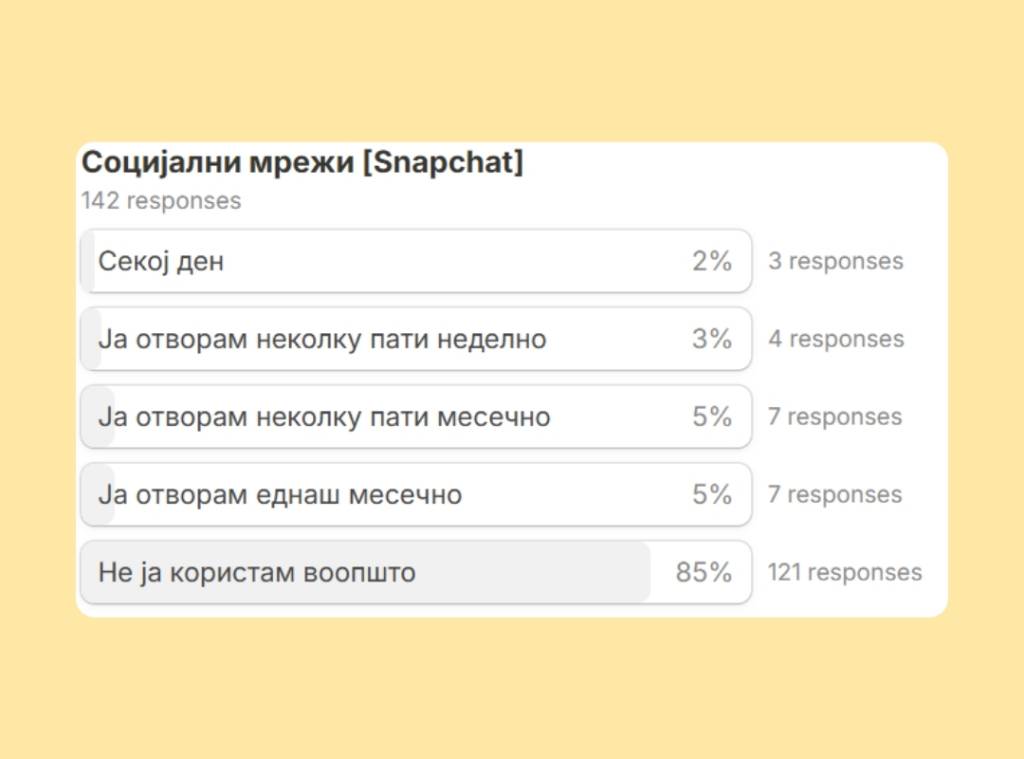
At the other end of the spectrum, Snapchat and X barely rank as the least-used platforms in our sample.
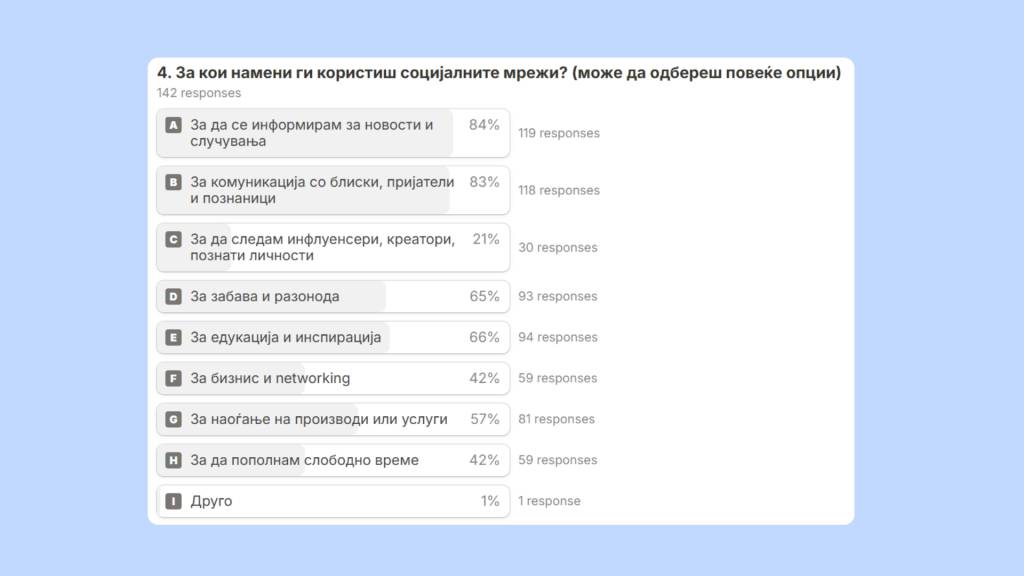
Why do people use social media?
Primarily to stay informed. 84% use it to follow news and events, and 83% to keep in touch with friends, family, and acquaintances. Education and inspiration matter too (66%), almost as much as fun and entertainment (65%). Social media is also a key place for discovering products and services.
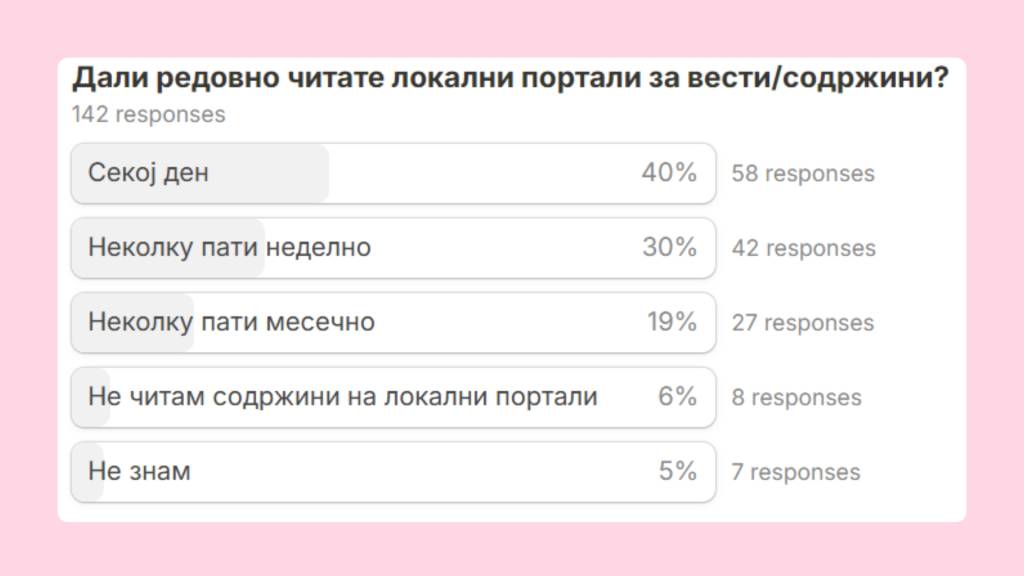
When it comes to news consumption, local web portals still hold strong.
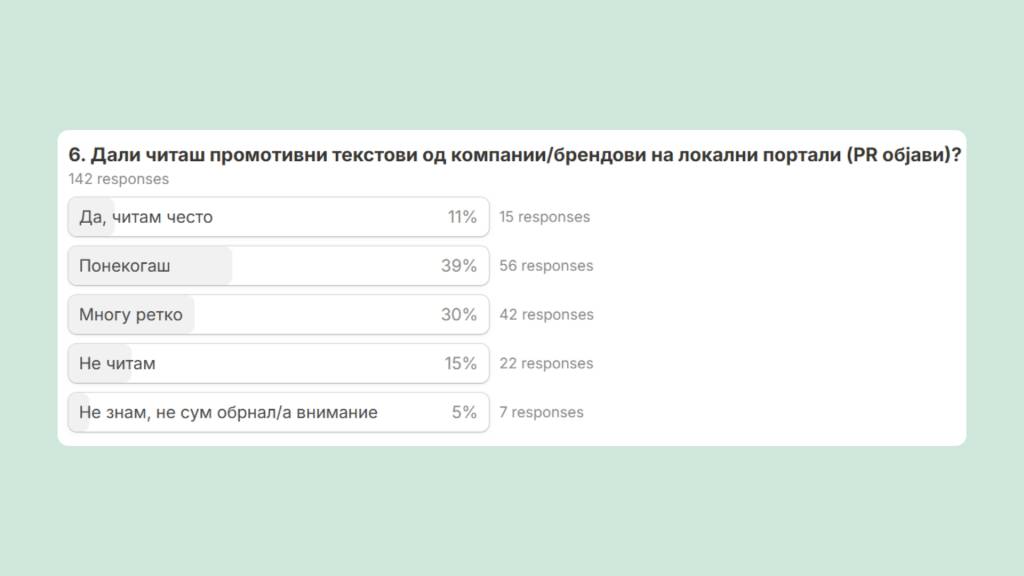
40% of respondents read local content daily, while another 30% do so a few times a week. Company press releases get occasional attention: 39% read them sometimes, while 15% skip them entirely.
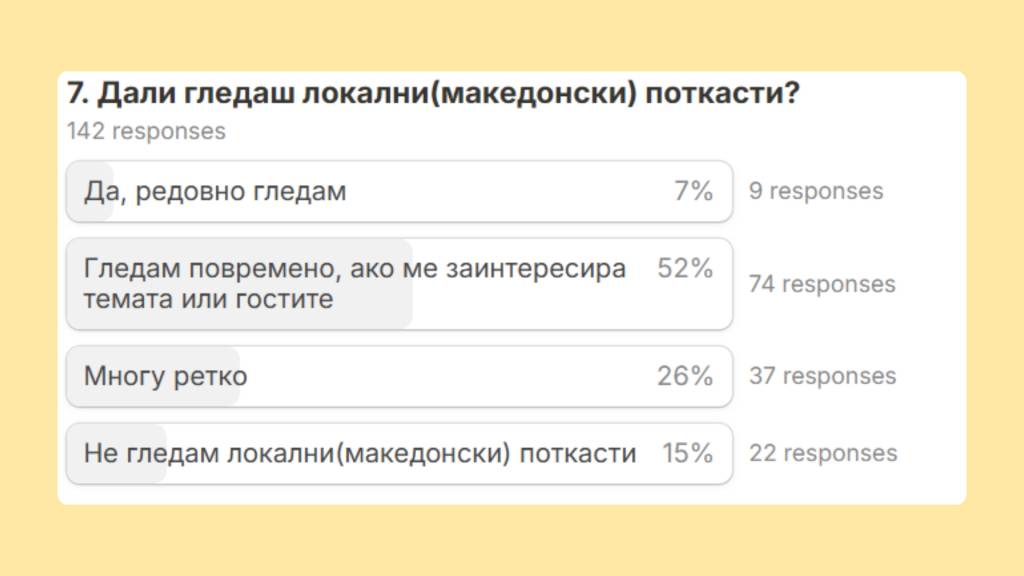
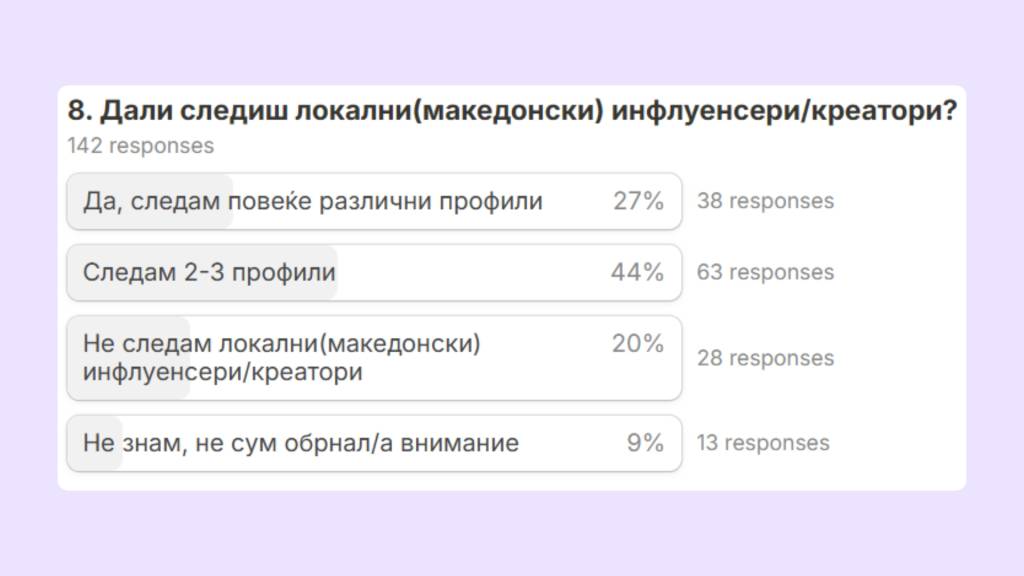
As for content creators and influencers, people are selective.
More than half (52%) listen to or watch local podcasts only when the topic truly interests them, and 44% follow just two or three influencers overall. Fewer, but better, seems to be the rule.
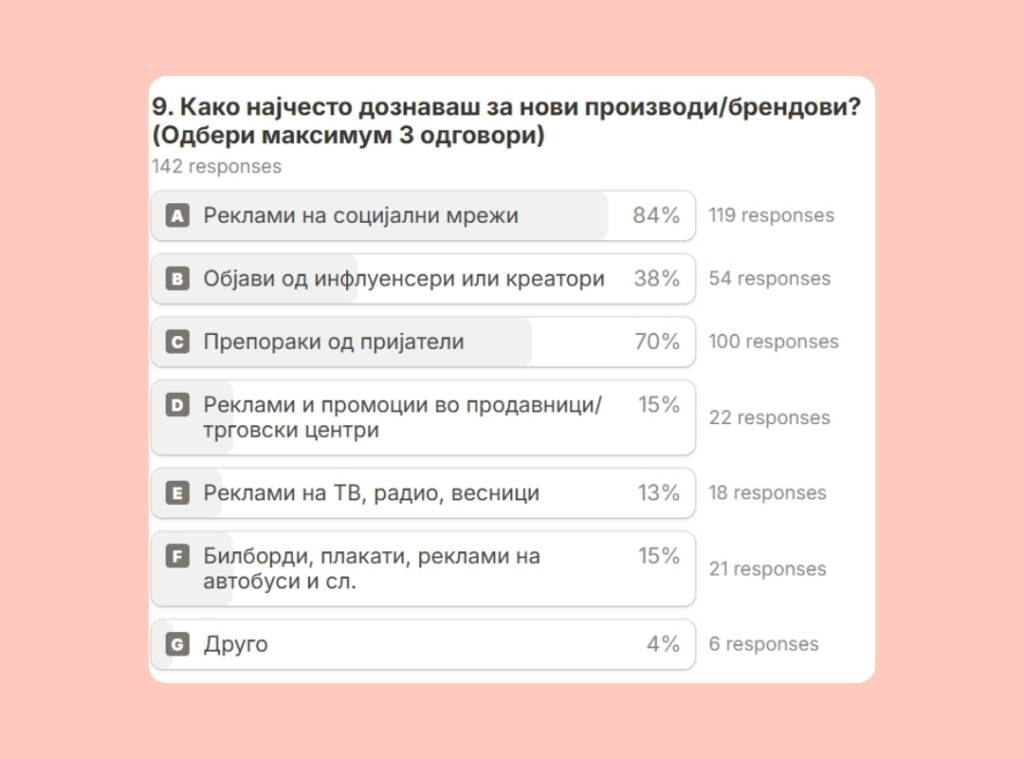
Social media is king when it comes to brand discovery.
84% say they learn about new brands through social media ads. Word of mouth remains a powerful second force, proving that recommendations still matter.
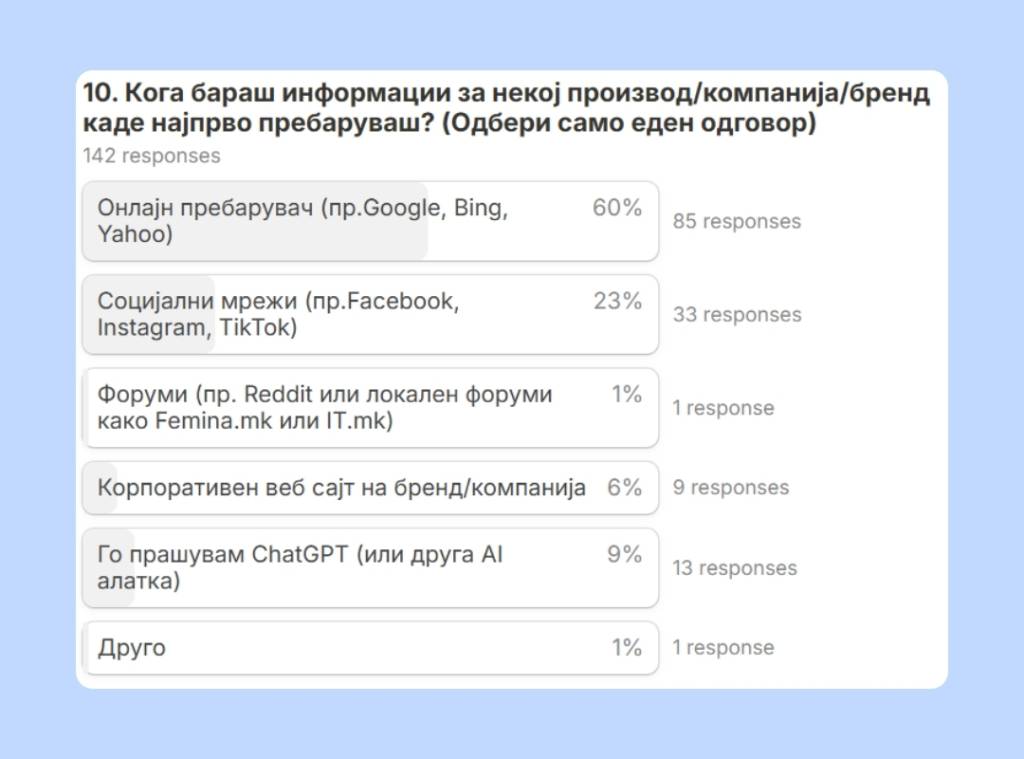
On the other hand, when they are researching brands and products, 60% of respondents turn to search engines.
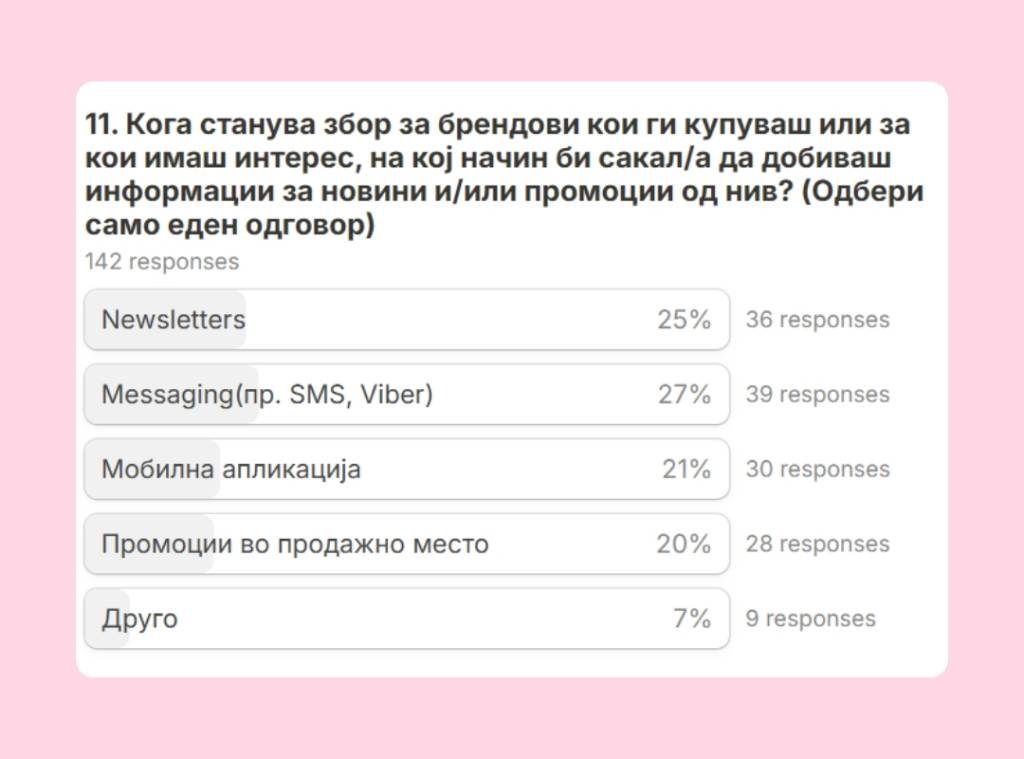
Interestingly, 27% prefer messaging apps as their main channel for receiving news or promotions from brands they care about. Direct, personal, and harder to ignore.
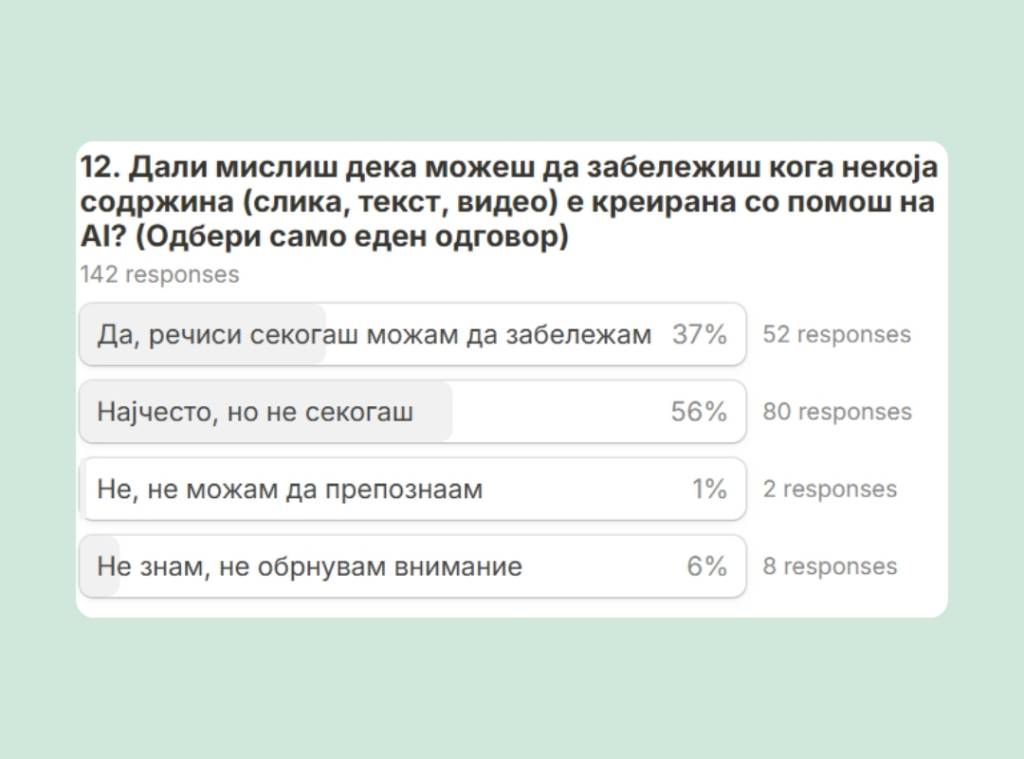
And finally, we couldn’t resist asking about AI.
Most respondents feel confident they can recognize AI-generated content.
Whether they actually can is a conversation for another post.
No shockers, but plenty of useful signals. People scroll fast, choose carefully, and tune out what doesn’t feel relevant. Which makes thoughtful, well-timed communication more important than ever.
As media habits continue to shift and AI becomes more visible, understanding real user behavior will only become more valuable. We’ll keep asking the questions – and sharing what we learn.
Thanks for reading, and feel free to explore our other blog posts for more insights.